Institutionalizing the culture of research within the UB community, the University of Bohol College of Criminal Justice (CCJ) elevated its scholarly engagement through its participation in the 16th Annual Conference of the Asian Criminological Society, held at the Queensland University of Technology (QUT) in Brisbane, Australia, on December 3–5, 2025.
With the theme “Translational and Transnational Criminology,” the international research forum focused on innovative scholarly ventures in law enforcement and criminal justice. It served as a significant academic platform for presenting research that bridges local community realities with broader regional and global criminological frameworks.
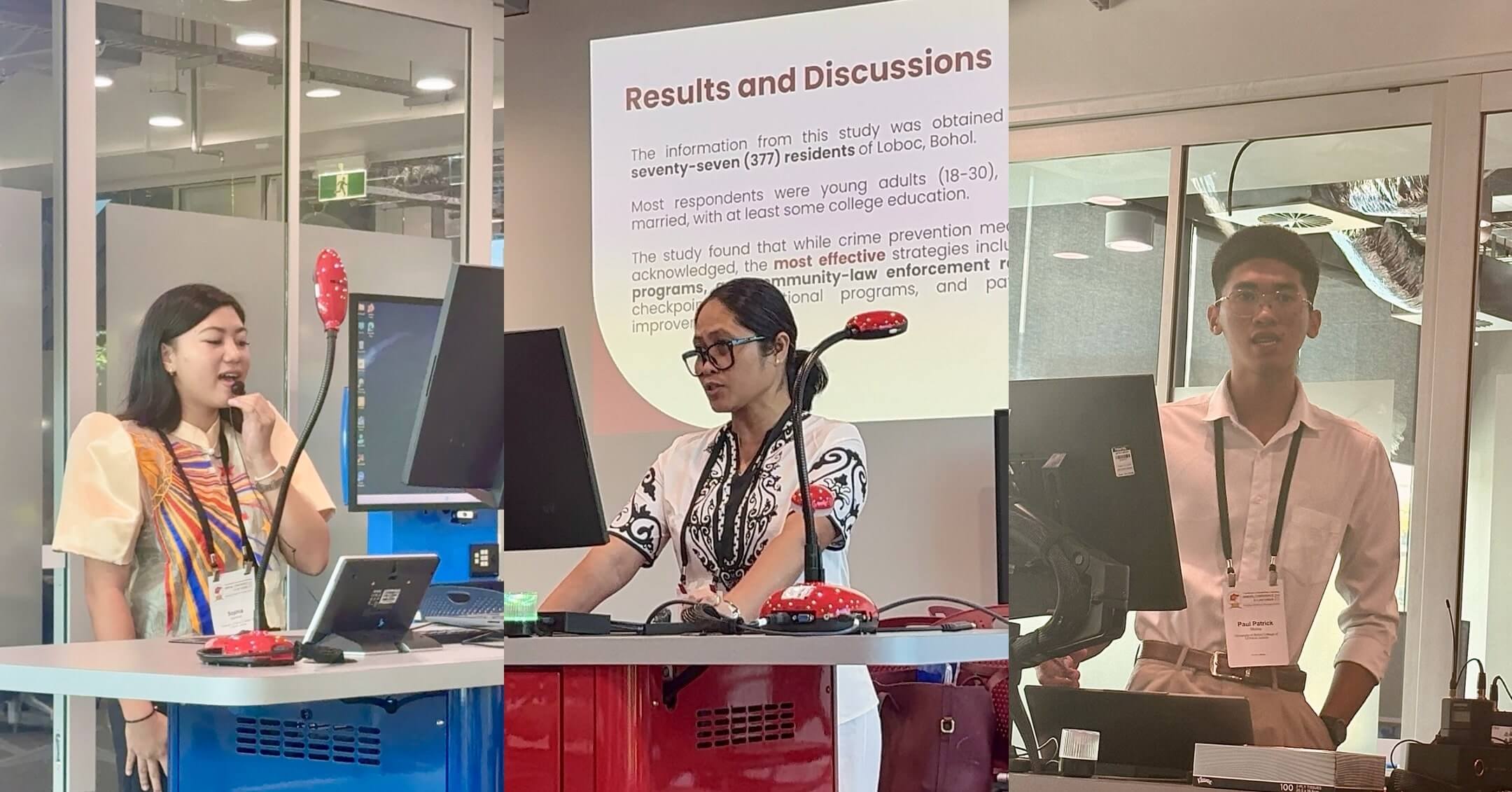
Representing the University of Bohol College of Criminal Justice were Dr. Shirley Ochea-Molina, College Dean, together with student research presenters Sophia Antoinne L. Gantalao, a third-year student, and Paul Patrick O. Molina, a second-year student.
Alongside other Filipino delegates, the UB CCJ team joined researchers, academics, professionals, and students from various Asian countries, with the Philippines emerging as the largest national contingent. The conference was also actively supported and participated in by officials of the Professional Criminologists Association of the Philippines (PCAP), underscoring the country’s strong presence in regional criminological discourse.
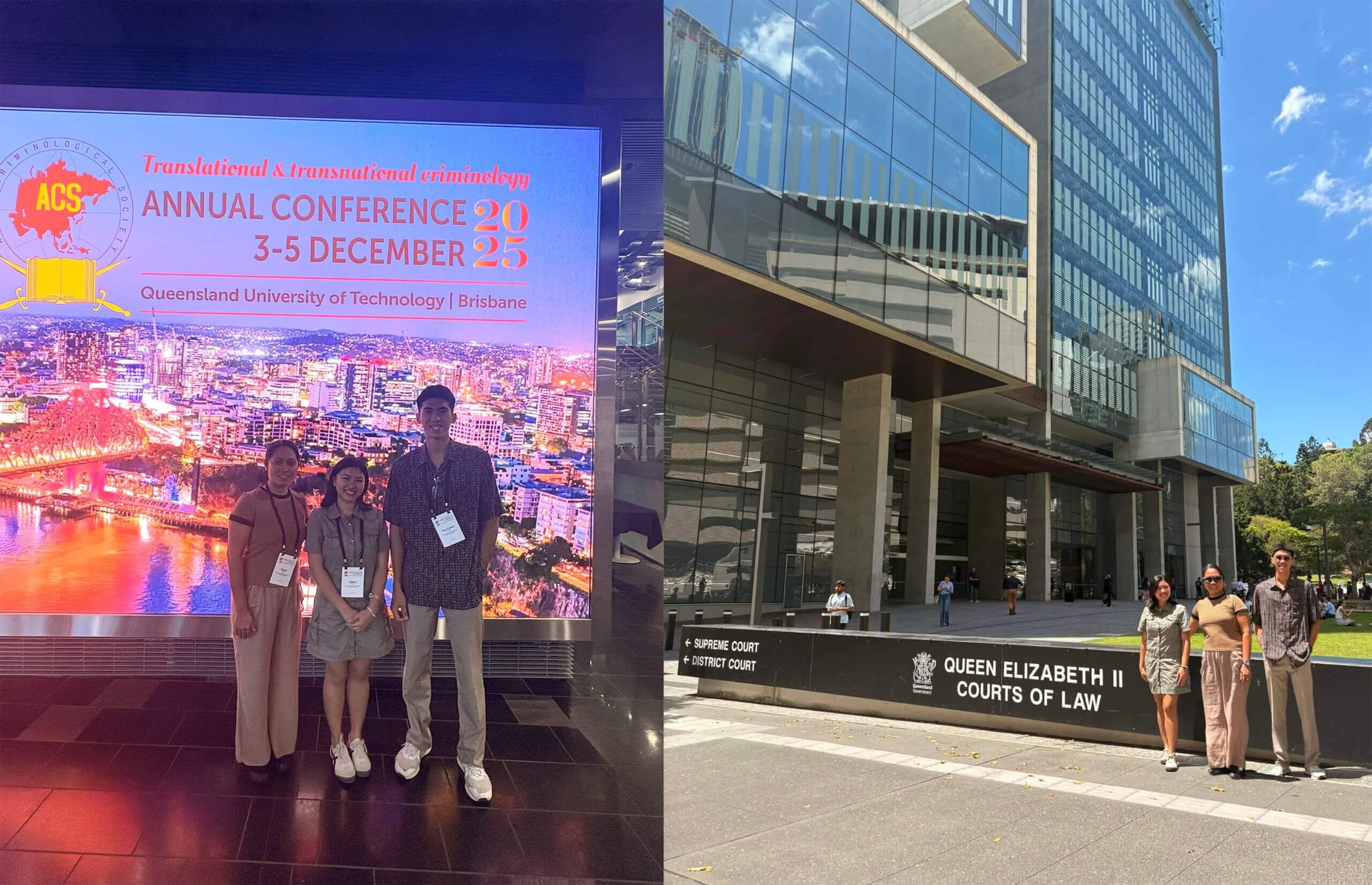
As part of the conference’s transnational criminology exposure, participants visited the Queen Elizabeth II Courts of Law and the Queensland Police Headquarters and Museum. A notable feature of the Queensland Courts is the extensive use of a jury system in criminal trials—an approach rarely practiced in the Philippine justice system. Also highlighted were the Supreme Court Library’s accessibility to self-represented litigants and the efficient trial scheduling systems displayed in the court lobby. The Court proudly upholds the maxim Audax et Fidelis—“Bold but Faithful.”
Meanwhile, the Queensland Police Museum (QPM) offered an engaging learning experience through its 25 interactive displays featuring various policing themes. Through archival materials, exhibitions, and public programs, the QPM provided a compelling comparative perspective on policing practices, past and present.
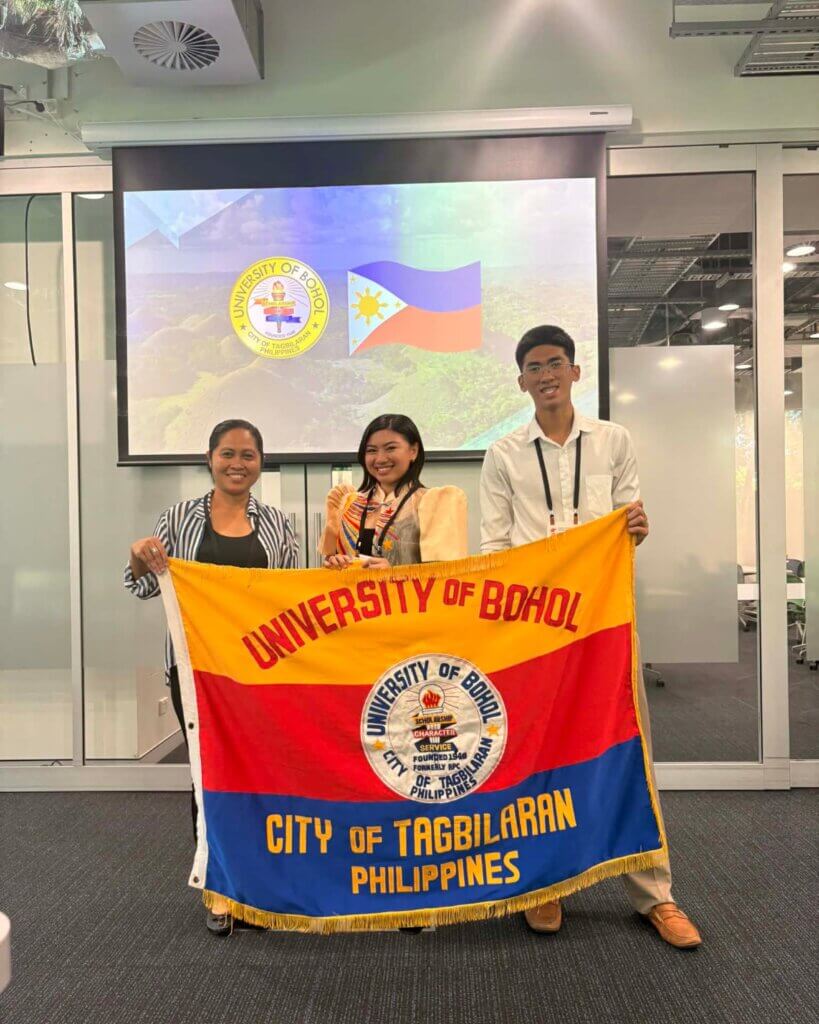
The remaining days of the conference remained highly productive, featuring insightful keynote addresses and parallel breakout sessions. These sessions explored major criminological research areas, including Digital and Cyber Crime; Drugs and Crime; Critical Criminology; Green Criminology; Global and Comparative Criminology; Gendered Violence; Policing and Crime Prevention; State and Political Crime; Theoretical Debates; Youth Justice; Gender and Sexuality; Justice Programs; Corrections; and Teaching in Criminology.
This meaningful academic exposure opened valuable opportunities to further advance criminal justice education and research, while reaffirming the University of Bohol’s core values of scholarship, character, and service.
(Sophia Antoinne L. Gantalao)